
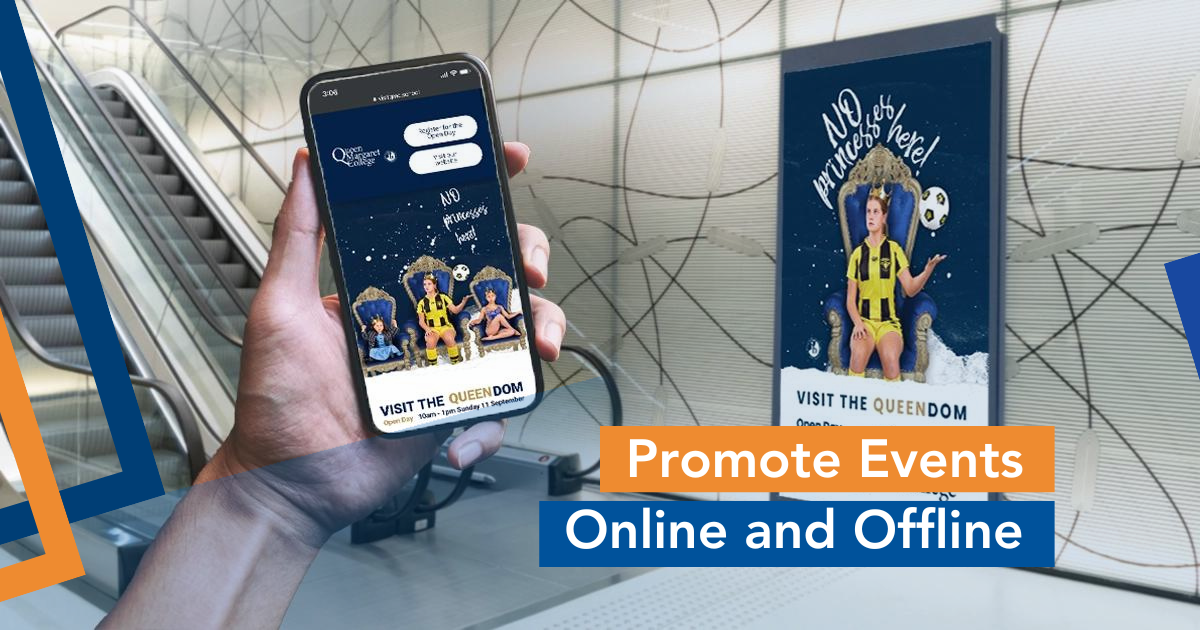
Following on my latest posts, “How to advertise school events” and “Increasing attendance at school open events”, let’s look at: How can you promote your event online and offline.
Digital Advertising
Digital advertising is usually broken up into three main audiences:
- ‘cold’ audiences are people who have never heard about your College.
- ‘warm’ audiences are people who may have visited your website or interacted with your content.
- ‘hot’ audiences are on your email list and actively seeking a school.
Digital marketing can be used to promote your events to each of these audiences in the following ways:
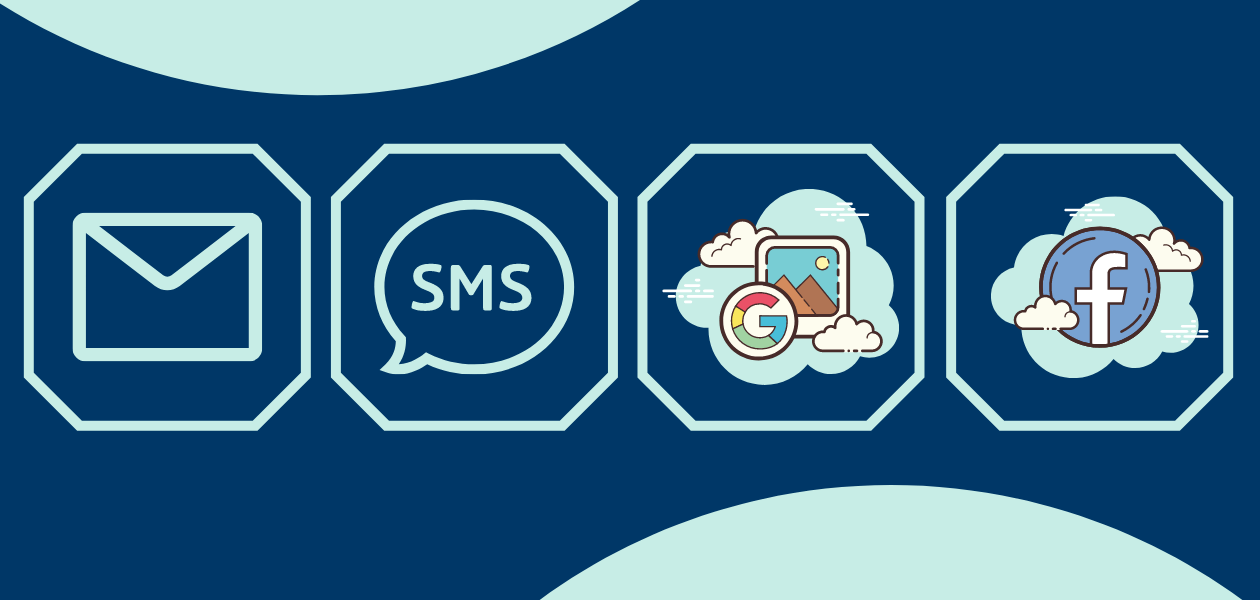
- Email event invitations – Your email list is your most valuable asset and works great to advertise upcoming events. We usually send about two emails per event depending on your email list and event schedule for the year.
- SMS invitations – SMS should be used sparingly, but I like to send event invitations as text messages and also send booking reminders before the event.
- Display ads to both warm audiences and interest-based audiences in your local area using Google Ads or programmatic display advertising.
- Facebook Ads to both warm audiences and interest-based audiences.
The great thing about using digital advertising to promote your event is that you can measure conversions (event registrations) and tell exactly which ads and audiences are working best to attract registrations for your school.
Traditional Advertising
Traditional marketing still plays an important role in our overall event marketing efforts. No strategy is complete without thinking about the people that may not be online. Having said that, not all traditional mediums are suited to call-to-action event marketing and below I go through my top recommendations when it comes to choosing traditional mediums:
- Leaflet deliveries work well when done 4-6 weeks before an event. They can also be integrated with digital, with an SMS to register call-to-action and email follow-up.
- Outdoor signage such as signboards and light pole banners can work well but need to be up about 8 weeks before the event.
- Magazine ads typically suit longer-term campaigns because even though they may be distributed monthly or termly, they get read long after their publishing date.

One of the trickiest parts of mastering how to advertise school events is getting traditional mediums right for school events is getting all the details of how people can register in a tight space. The best way to do this is to have a similar look/design banner on your website home page that directs people to your registration page so that you can use your school home page as the go to location for registrants.
However you decide to implement traditional campaigns into your event marketing. Make sure that your digital and traditional campaigns complement each other and work together.
Questions regarding this article? Please email me at mara@robertsdigital.com.au